Oven Repair Services in Hamilton – An oven is one of those household appliances you rarely think about until it stops working properly. One day, you’re preparing dinner for the family, baking a cake, or roasting vegetables for the week ahead. The next, your oven refuses to heat, burns food on one side, or takes far longer than usual to cook a simple meal. Suddenly, something that should be straightforward becomes a frustrating problem. If you’re looking for oven repair services in Hamilton, getting the fault assessed can help you understand what’s happening and decide on the right solution.Oven Repair Services in Hamilton
A faulty oven can affect more than your meal plans. It may waste electricity, produce inconsistent cooking results, interrupt your daily routine, or raise safety concerns if electrical components are damaged. Some problems may be related to settings or routine cleaning, while others require a suitable technician to investigate internal components. Knowing when to try a basic check and when to stop using the appliance is an important part of handling oven problems safely.
Oven Repair Services in Hamilton – Reliable Local Appliance Repairs
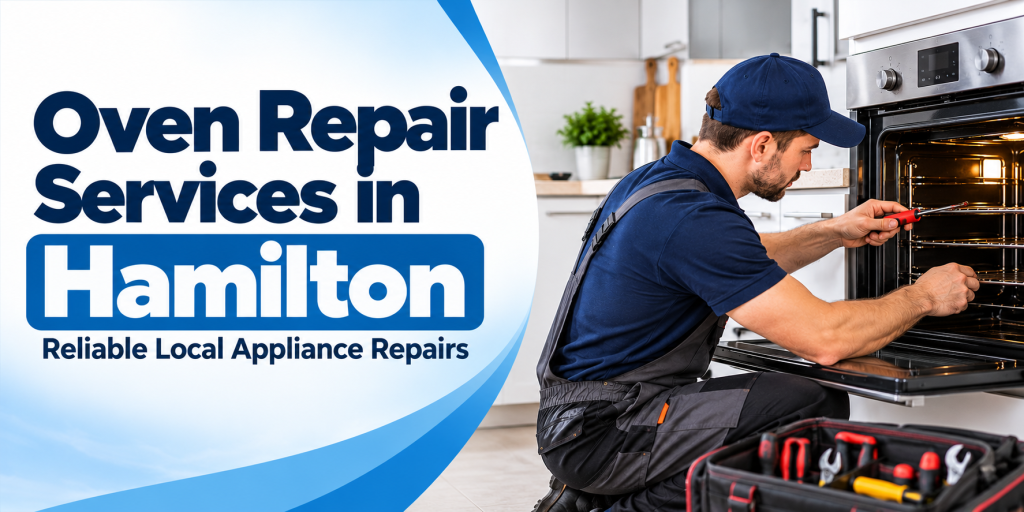
For households in Hamilton, Aotearoa Appliances is a local contact option for discussing household appliance repair needs. If your oven is not heating correctly, has developed an unusual fault, or no longer operates as expected, you can get in touch to ask about service availability and the next steps. The exact repair required will depend on the oven type, model, symptoms, condition, and availability of suitable parts.
This guide covers common oven problems, signs that professional attention may be needed, the difference between repairing and replacing an oven, and practical maintenance habits that can help keep your appliance in good working order. It also explains how to prepare for a repair appointment and contact Aotearoa Appliances about oven repairs in Hamilton, New Zealand.
Why Professional Oven Repair Matters
An oven may appear simple from the outside, but its internal systems work together to produce and regulate heat. Depending on the model, the appliance may contain heating elements, temperature sensors, thermostats, fans, switches, electronic controls, wiring, and safety devices. A fault in one component can affect the performance of the entire oven. For example, an oven that takes too long to heat may have a problem with a heating element, temperature control, power supply, or another component. The symptom alone does not always reveal the cause.
This is one reason professional oven repair in Hamilton can be helpful. Rather than guessing which part has failed and purchasing replacements unnecessarily, a suitable technician can assess the appliance and explain what may be required. A proper assessment can help distinguish a minor issue from a more significant fault and provide information you need to decide whether repair is worthwhile. The process should also give you an opportunity to ask about the expected cost, parts, and any limitations associated with the repair.Oven Repair Services in Hamilton
Safety is another important consideration. Ovens operate at high temperatures, and electric models contain components that can present an electrical hazard. Gas ovens involve additional risks associated with gas supply and combustion. Removing panels, testing live electrical components, adjusting gas connections, or replacing internal parts without the right skills can create serious dangers. Even if you are comfortable with basic household maintenance, internal oven repairs are not a good place to experiment.
Timely attention may also prevent unnecessary disruption. An oven that heats inconsistently can spoil meals and waste ingredients, while a fault that causes repeated shutdowns may make the appliance unreliable when you need it most. If a component is failing, continuing to use the oven without understanding the problem may cause further damage or create a safety concern. An assessment helps you make a more informed decision about whether to keep using the appliance, arrange a repair, or consider replacement.
For Hamilton households, the sensible approach is to observe the symptoms, check only the basic settings and maintenance items described in the user manual, and seek suitable assistance when the fault persists. You do not need to diagnose the technical problem yourself. A clear description of what the oven is doing is a useful starting point. Oven Repair Services in Hamilton
Common Oven Problems and Their Causes
Ovens can develop a variety of faults, and not every problem has the same explanation. Some appliances fail to heat at all, while others warm up slowly, produce uneven results, or shut down during cooking. You might notice that the display has gone blank, the controls are unresponsive, or the oven fan makes a new rattling sound. These changes can be frustrating, especially when the appliance was working normally the previous day.
One common complaint is an oven that does not reach the selected temperature. In an electric oven, possible causes may include a faulty heating element, temperature sensor, thermostat, or control system. In a gas oven, the problem may involve ignition or another component of the heating system. These are possibilities rather than definite diagnoses, because similar symptoms can result from different faults depending on the model.
Uneven cooking is another frequent concern. If food burns on one side while remaining undercooked on the other, the cause could involve air circulation, the position of the oven racks, an unsuitable cooking setting, a damaged door seal, or a fault with the heating system. Before assuming a repair is required, check that the oven is set to the intended mode and that trays are not blocking airflow. However, if uneven heating continues despite correct use, the appliance may need further assessment.
Other problems include doors that do not close properly, broken control knobs, faulty displays, unusual smells, and fans that stop working. A damaged door seal can allow heat to escape, while a malfunctioning fan may affect heat distribution in models that use fan-assisted cooking. A persistent electrical smell, visible sparks, smoke, or unexpected overheating should never be treated as a normal inconvenience.Oven Repair Services in Hamilton
When arranging oven repair services in Hamilton, note when the issue occurs and whether it affects every cooking mode or only one setting. If the oven displays an error code, record it exactly as shown. Include the brand and model if available, along with any recent changes in performance. These details can help you explain the problem clearly without guessing which part needs replacing.Oven Repair Services in Hamilton
Electric Oven Repair
Electric ovens are widely used in homes because they offer familiar controls and several cooking options. Depending on the model, they may use one or more heating elements, a thermostat or electronic temperature sensor, a fan, and a control board. When one part fails, the oven may not heat at all, may struggle to maintain temperature, or may cook food unevenly. Sometimes the display remains active even though the oven does not produce the expected heat, which can make the problem confusing.
A faulty heating element is one possible explanation for an electric oven that does not heat correctly. Other possibilities include a problem with the temperature sensor, selector switch, wiring, or electronic control system. If the oven’s clock or display is flashing after a power interruption, the appliance may simply need its time or settings restored according to the user manual. However, if the controls are correctly set and the oven still fails to operate, internal diagnosis may be needed.
There are a few basic checks you can make without dismantling the appliance. Confirm that the oven is set to the correct cooking mode and temperature, and check whether the household circuit has tripped. If a breaker has tripped repeatedly, do not keep resetting it in an attempt to make the oven work. Repeated electrical trips can indicate a fault that needs appropriate attention. Never remove panels, handle exposed wiring, or attempt to test internal components while the oven is connected to power.
The condition of the door and seal can also affect cooking performance. If the door does not close properly or the seal appears damaged, heat may escape and cooking times may increase. Check for visible damage only when the appliance is cool, and consult the manufacturer’s instructions before carrying out any maintenance. A damaged hinge or internal component may require professional repair.
For electric oven repairs in Hamilton, explain whether the oven powers on, whether any heating occurs, and whether the fault affects all cooking settings. Mention any unusual smells, noises, error messages, or circuit-breaker issues. This information helps communicate the symptoms and provides a useful starting point for deciding what assessment may be appropriate.
Oven Heating and Temperature Problems
Temperature problems can make an oven difficult to trust. You might follow a recipe carefully, set the correct temperature, and still find that the centre of a dish remains undercooked while the outside becomes too dark. Perhaps the oven takes much longer than it used to reach the selected temperature, or it seems to switch off before the food is ready. These issues can waste ingredients and make everyday cooking unnecessarily stressful.
Several factors may contribute to inconsistent oven temperatures. A faulty temperature sensor or thermostat can interfere with temperature regulation, while a damaged heating element may prevent the oven from producing enough heat. In fan-assisted models, a problem with the circulation fan may affect how evenly heat moves around the cavity. A door that fails to seal correctly can also allow heat to escape, forcing the appliance to work harder than expected.
Before arranging a repair, make sure the oven is being used according to the manufacturer’s instructions. Check that the correct cooking mode is selected and that the oven has been given the recommended time to preheat. Avoid overcrowding the oven or placing trays where they block the airflow needed for the selected setting. If the manual describes a safe way to clean accessible areas, follow those instructions once the appliance has cooled completely.
If you continue to experience temperature problems, avoid compensating indefinitely by increasing the temperature or extending cooking times. This approach may lead to overcooked food in some situations while failing to resolve the underlying issue. It can also make cooking results unpredictable. A suitable technician can assess the symptoms and help determine whether the issue relates to a control, sensor, heating component, seal, or another part.
Temperature accuracy matters particularly when preparing meat, poultry, seafood, and other foods that require safe cooking. Do not assume that a dish is safe simply because the outside looks cooked. Use appropriate food-safety guidance and a suitable food thermometer when needed. If the oven is behaving unpredictably, consider using a reliable alternative until the problem has been assessed.
When contacting an oven repair service in Hamilton, explain whether the appliance runs too hot, does not get hot enough, heats unevenly, or takes longer than normal to cook food. Describe whether the issue began suddenly or developed gradually. Specific examples are often more useful than a general statement that the oven is not working properly.
Signs Your Oven Needs Professional Repair
It is easy to overlook a small change in oven performance, particularly when the appliance still turns on. You may simply cook a little longer, adjust the temperature, or choose another setting to get through dinner. But if the same issue keeps returning, it may be a sign that the oven needs attention. Recognising the warning signs early can help you avoid repeated cooking problems and identify safety concerns before they become more serious.
One common warning sign is a noticeable change in heating performance. If the oven no longer reaches the expected temperature, takes much longer to preheat, or produces inconsistent cooking results, the temperature-control or heating system may need investigation. Similarly, if the appliance switches off unexpectedly, fails to respond to the controls, or displays a recurring error code, the fault should not be ignored. Consult the manual for basic user-level checks, but seek assistance if the issue continues.
Unusual sounds can also indicate a problem. A fan-assisted oven may normally make some operating noise, but a new grinding, scraping, or rattling sound deserves attention. It may be related to a fan or another moving component. Do not insert tools or reach into the appliance to investigate a noise. Turn the oven off and allow it to cool before carrying out any safe visual checks described in the manual.
Physical damage is another reason to arrange an assessment. A door that will not close securely, a cracked control panel, damaged knobs, or a visibly deteriorated seal can affect usability and performance. The door should open and close as intended, and the controls should respond normally. If the oven door glass is cracked or shattered, stop using the appliance and arrange appropriate assistance rather than attempting an improvised repair.
Electrical and heat-related warning signs require particular caution. Smoke, sparks, burning smells, repeated circuit-breaker trips, or unexpected overheating are not normal operating conditions. Stop using the oven and isolate its power supply only if you can do so safely. For a gas oven, if you suspect a gas leak, avoid flames and electrical switches, leave the area, and contact the appropriate emergency gas service from a safe location.
When looking for oven repairs in Hamilton, describe the warning signs accurately. Include any changes in performance, the settings being used, and whether the problem occurs every time. You do not need to know the technical cause; the important thing is to communicate what has changed and avoid using an appliance that may be unsafe.
When to Stop Using a Faulty Oven
Some oven problems may allow you to switch the appliance off and arrange a repair at a convenient time. Others require you to stop using it immediately. Knowing the difference helps protect your household and prevents a fault from being treated as a minor inconvenience when it may present a real hazard.
Stop using an oven if you notice smoke, sparks, a strong burning smell, electric shocks, damaged wiring, or repeated circuit-breaker trips. Do not continue cooking just because the oven still produces heat. If it is safe to do so, switch the appliance off and isolate the power at the appropriate switch or circuit breaker. Never touch exposed wiring, wet electrical connections, or damaged components. If there is an active fire or immediate danger, move away and contact emergency services.
Gas ovens need additional caution. If you smell gas or suspect a gas leak, do not attempt to ignite the oven, operate electrical switches, or investigate the connection yourself. Leave the affected area, follow local gas-safety guidance, and contact the appropriate emergency gas service from a safe location. A gas appliance should be assessed by a suitably qualified professional.
An oven that overheats or cannot regulate temperature should also be treated carefully. If the appliance continues heating unexpectedly, the controls stop responding, or the door becomes unusually hot because of an apparent fault, stop using it and seek advice. Keep children away from the appliance and allow it to cool before approaching it for any safe, user-level inspection. Do not remove panels or try to repair the control system yourself.
A less urgent issue, such as a persistent temperature inconsistency without other warning signs, may not require the same immediate response. Even so, repeated problems should be assessed rather than managed indefinitely by changing recipes or cooking times. If you are unsure whether a fault is safe, err on the side of caution and stop using the appliance until you can get appropriate guidance.
When you contact an oven repair provider, explain any safety symptoms clearly at the beginning of the conversation. Mention whether you noticed smoke, a burning smell, gas odour, or electrical problems, and confirm that the oven is no longer being used. This information helps the provider understand the nature of the concern and discuss an appropriate next step.
Oven Repair or Replacement – Which Is Better?
When your oven develops a fault, one of the first questions is whether repairing it makes financial sense. Buying a new oven can be expensive, especially if the appliance is built into kitchen cabinetry or requires changes to the existing installation. On the other hand, an older oven with a major fault may not be worth repairing if replacement parts are difficult to obtain or other components are also deteriorating. The best decision depends on the specific appliance rather than a single rule about age.
Begin by finding out what is wrong. A repair estimate gives you a more useful starting point than guessing at the cost based on the symptom. A problem involving a replaceable component may be worth addressing if the rest of the oven is in good condition. A fault affecting several systems, particularly in an appliance that has experienced repeated breakdowns, may make replacement more attractive. Ask what the proposed repair includes and whether additional parts or work could change the overall cost.
Consider the oven’s condition and how well it meets your needs. Does it heat consistently when working properly? Is the door in good condition? Are the controls reliable? Have you experienced several faults in a short period? If the appliance has generally served you well, a repair may extend its useful life. If it has become unreliable or lacks features your household needs, replacement may offer better long-term value.
The cost of a new oven includes more than the price displayed in a shop. Depending on the installation, you may need delivery, removal of the old appliance, cabinetry adjustments, electrical work, or gas installation by an appropriately qualified person. Those costs can influence whether repair or replacement is more practical. A new model may also offer different cooking functions or energy-efficiency benefits, but compare those potential advantages with the total purchase and installation cost.
Use the following comparison as a guide:
| Factor | Repair may be suitable when | Replacement may be suitable when |
|---|---|---|
| Overall condition | The oven is otherwise in good working order | Several components show signs of deterioration |
| Fault | The problem is identifiable and repairable | The fault is extensive or cannot be repaired economically |
| Cost | The estimate offers reasonable value | Repair costs approach the cost of a suitable replacement |
| Parts | Appropriate parts are available | Essential parts are unavailable or difficult to source |
| Reliability | The oven has generally worked well | Breakdowns are frequent or recurring |
| Household needs | The existing oven still meets your needs | You need different capacity or features |
Do not base the decision on age alone. Some older appliances remain dependable, while newer appliances can develop faults that are worth repairing. What matters is the relationship between the likely repair cost, the condition of the oven, and the expected value of keeping it.
If you are considering oven repair services in Hamilton, ask for a clear explanation of the problem and any available estimate before approving work. A well-informed comparison can help you avoid replacing an oven unnecessarily or spending more on repairs than the appliance is reasonably worth.
Benefits of Choosing a Local Oven Repair Service in Hamilton
When an oven stops working, finding a suitable service can be just as important as understanding the fault. You need to explain the problem, check whether the provider handles your appliance type, and find out what the assessment process involves. For households searching for oven repair services in Hamilton, New Zealand, a local point of contact can make it easier to start that conversation and establish whether the service is appropriate for the job.
One advantage of contacting a local provider is the opportunity to discuss your circumstances before arranging an appointment. You can explain whether you have a built-in electric oven, a freestanding cooker, or a gas model, then describe the symptoms. This allows you to ask whether that type of appliance is covered and whether the service area includes your address. It is better to confirm these details early than to assume every provider handles every oven model.
Clear communication is also important when it comes to cost. Ask whether a call-out or diagnostic fee applies, how estimates are provided, and whether parts are charged separately from labour. If the appliance needs a replacement component, ask whether the part is available and whether its cost could affect the decision to repair. Knowing how charges are explained helps you compare options and avoid making assumptions about the final price.
A suitable repair assessment may also help you decide whether keeping your current oven is worthwhile. Instead of replacing the appliance immediately, you can learn more about the fault and consider the likely cost of restoring it. If the oven is generally reliable, repair may be a reasonable choice. If the fault is extensive or the appliance has a history of repeated breakdowns, replacement may be the more practical option. The decision should be based on the available information rather than pressure to choose one solution.
When comparing providers, consider more than location. Look for clear answers, a sensible explanation of the process, and confirmation that the service handles your appliance type. You can also ask about the availability of parts, the scope of the assessment, and what happens if the fault turns out to be more complicated than expected.
Aotearoa Appliances is a contact option for Hamilton households seeking appliance repair services. You can describe the oven problem and ask about availability, service coverage, and the next step. Confirm the details directly before making an appointment, particularly if the oven is built into cabinetry or uses a gas connection that requires specialist attention.
How to Maintain Your Oven and Prevent Common Problems
Ovens are designed to handle regular cooking, but their performance can be affected by food residue, blocked airflow, worn seals, incorrect settings, and normal component wear. Good maintenance cannot eliminate every fault, yet it can help keep the appliance clean and make it easier to notice changes before they become serious. The key is to follow the manufacturer’s instructions and avoid maintenance methods that may damage the oven’s surfaces or internal systems.
Start with regular cleaning. Spilled food and grease can accumulate inside the oven and produce smoke or unpleasant smells when heated. Once the oven has cooled completely, clean accessible surfaces using products and methods approved for your model. Avoid abrasive materials or harsh cleaners unless the manufacturer specifically permits them. If your oven has a self-cleaning function, read the instructions carefully and remove any accessories that the manual says should not remain inside during the cycle.
Pay attention to the door and its seal. The door should close properly, and the seal should not have obvious tears, gaps, or damage. A poor seal can allow heat to escape and may affect cooking results. Inspect it visually when the oven is cool, but do not pull at the seal or dismantle the door unless the manufacturer identifies a safe user-maintenance procedure. If the hinges appear loose or the door no longer closes correctly, arrange an assessment.
Use the right cooking settings and avoid blocking airflow. Fan-assisted ovens rely on circulation to distribute heat, so overcrowding the cavity or placing trays in unsuitable positions may lead to uneven cooking. Follow the guidance for rack placement, preheating, and cookware. Avoid placing foil or accessories in locations where they could interfere with heating elements, airflow, or temperature sensors.
Keep an eye on changes in performance. If the oven begins taking longer to heat, makes a new noise, or produces inconsistent results, do not automatically increase the temperature to compensate. Record the symptoms and consult the user manual for appropriate troubleshooting. If the problem persists, seek suitable assistance.
Here are a few useful maintenance habits:
- Clean the oven according to the manufacturer’s recommendations.
- Remove food spills after the appliance has cooled.
- Check the door and seal for visible damage.
- Use suitable cookware and recommended rack positions.
- Avoid blocking ventilation openings or fan airflow.
- Follow the manual when using self-cleaning functions.
- Stop using the oven if you notice smoke, sparks, a burning smell, or electrical problems.
These steps are simple, but consistency matters. Routine care supports normal operation and makes it easier to identify when something changes. When a fault appears, maintenance should not become a substitute for proper repair.
Oven Repair Services by Aotearoa Appliances
When your oven stops working properly, the first useful step is to explain the symptoms and find out whether the appliance can be assessed. Aotearoa Appliances provides a contact point for households looking into appliance repair in Hamilton and surrounding areas. If you are dealing with an oven that does not heat, produces inconsistent temperatures, displays an error code, or has developed another problem, you can get in touch to discuss the issue and ask about service availability.
Different oven faults require different types of investigation. An oven that does not turn on may have a different cause from one that powers up but fails to heat. A fan that makes unusual noises presents another set of possible issues, while a door that does not close properly may affect heat retention. Describing the symptoms accurately helps establish what type of problem needs attention, although the exact cause may not be clear until the appliance has been assessed.
Electric Oven Problems
If you have an electric oven, explain whether the display works, whether the appliance heats at all, and whether the issue affects every cooking mode. Mention any unusual smells, noises, or circuit-breaker trips. Do not remove panels or handle internal electrical components to investigate the fault. If you suspect an electrical problem, stop using the oven and explain the safety concern when contacting the service provider.
Temperature and Cooking Performance
An oven that cooks food unevenly, overheats, or struggles to reach the selected temperature may need further investigation. Explain what you have noticed and whether the problem occurs across different settings. If the oven was previously reliable and the performance changed recently, mention when you first noticed the difference. These details help describe the issue without assuming a particular component has failed.
Doors, Controls, and Other Faults
Door hinges, seals, control knobs, displays, and other parts can affect an oven’s usability. If a door will not close properly, a control is unresponsive, or an error code keeps returning, note the symptoms and the model number if available. Do not continue using the oven if the door glass is damaged or the appliance shows signs of overheating or electrical trouble.
Before arranging any repair, confirm directly with Aotearoa Appliances that your appliance type and location are covered. Ask about the assessment process, possible charges, and how repair estimates are handled. Parts availability and the complexity of the fault may affect the time and cost involved, so it is sensible to establish expectations before approving work.
A clear enquiry is a practical beginning. You do not need to identify the failed part yourself; simply explain what the oven does, what it should be doing, and any warning signs you have noticed.
Why Choose Aotearoa Appliances for Oven Repair in Hamilton?
Choosing an oven repair service should begin with clear information, realistic expectations, and confirmation that the provider can handle your appliance. Aotearoa Appliances is a contact option for households seeking oven repair in Hamilton, allowing you to explain the fault and ask about the next steps. Before making arrangements, it is sensible to confirm service availability, the type of oven covered, and the process for assessing the problem.
A useful repair enquiry includes the oven’s brand, model, and main symptoms. If the oven does not heat, explain whether the display still works and whether the problem affects all settings. If cooking results have changed, describe the difference you notice. For example, you might explain that food takes much longer to cook than it used to, that the oven shuts down during use, or that a fan has started making a grinding sound. Specific examples are more helpful than guessing which component has failed.
It is also worth discussing the financial side before approving work. Ask whether an initial assessment or call-out fee applies, how estimates are provided, and whether replacement parts are included in the quoted amount. If the oven is older, ask what factors might affect the value of repairing it. A clear explanation helps you weigh the likely repair cost against the expense of purchasing and installing a replacement.
Safety and suitability should remain priorities. If your oven is gas-powered, confirm that the work will be handled by a suitably qualified person for the gas-related task. If you suspect an electrical fault, do not attempt to diagnose it by opening the appliance. Stop using the oven when there are warning signs such as smoke, sparks, a burning smell, or repeated electrical trips, and communicate those symptoms clearly.
Aotearoa Appliances can be contacted using the following details:
- Business: Aotearoa Appliances
- Phone: +64 22 074 9588
- Email: info@aotearoaappliances.co.nz
- Website: https://aotearoaappliances.co.nz/
Before arranging a visit, ask whether the business covers your address and oven type. You can also confirm the likely process for assessment and whether parts may need to be sourced. Choosing a repair provider is easier when you understand what is covered, how the work will be discussed, and what costs may apply.
What to Expect During an Oven Repair Appointment
Knowing what to expect during an oven repair appointment can make the experience less stressful. You do not need to understand the internal workings of the appliance or identify the exact cause before the visit. Your role is to explain the symptoms, provide useful information, and make sure the area is accessible where it is safe to do so. The technician can then determine what assessment is appropriate.
The process usually begins with a discussion of the problem. You may be asked when the fault started, whether it happens every time, and whether any error codes or unusual sounds have appeared. The appliance’s make and model can also be useful because different ovens use different heating systems, controls, and components. If you have a user manual or previous service records, keep them available if possible.
The next step depends on the fault and the appliance. A technician may need to inspect the oven and carry out suitable diagnostic checks to identify the cause. Some problems may be relatively straightforward, while others can require more detailed investigation or replacement parts. The exact process varies by model and fault, so do not assume that every oven can be diagnosed or repaired during the first visit.
Before authorising work, ask for an explanation of the problem and the proposed repair. If an estimate is available, clarify what it includes and whether parts, labour, call-out charges, or additional work are charged separately. Ask what happens if the initial diagnosis reveals another fault or if the required part is unavailable. Having this conversation beforehand can help you compare repair with replacement and make a decision that suits your budget.
You can prepare for the appointment by clearing items away from the oven, keeping children and pets out of the work area, and making sure the appliance can be accessed safely. Do not move a built-in oven or disconnect a gas appliance yourself. If the oven has shown signs of smoke, sparks, gas odour, or electrical problems, stop using it and tell the provider before the appointment.
After the assessment or repair, ask whether there are any maintenance recommendations or signs you should watch for in the future. Follow the manufacturer’s instructions and any safety guidance provided. If the problem returns, note what happens and contact the service provider to discuss the next step. Clear communication throughout the process helps you understand the work carried out and what to expect from the appliance afterwards.
Book Oven Repair Services in Hamilton
If your oven has stopped heating, is cooking food unevenly, or has developed an unusual fault, arranging an assessment can help you decide what to do next. You do not have to wait until the appliance becomes completely unusable before seeking advice. Identifying the symptoms early can help you understand whether a basic user-level check is appropriate or whether the problem needs professional attention.
Aotearoa Appliances is a contact option for people seeking oven repair services in Hamilton and surrounding areas. When you get in touch, explain whether you have an electric oven or another type of cooking appliance, describe the main problem, and provide the make and model if available. Mention any warning lights, error codes, unusual noises, heating changes, or safety concerns. This information helps establish whether the service can assist and what the next step may involve.
Before arranging an appointment, confirm that your address and appliance type are covered. Ask about service availability, any assessment or call-out charges, and how estimates are provided. If a replacement part is needed, ask whether it is available and whether it could affect the cost or timing. A fault cannot always be diagnosed from a brief description, so it is important to understand the assessment process before committing to a repair.
You can contact Aotearoa Appliances through the following channels:
Aotearoa Appliances
- Phone: +64 22 074 9588
- Email: info@aotearoaappliances.co.nz
- Website: https://aotearoaappliances.co.nz/
If you are unsure whether repairing the oven makes financial sense, ask for information about the fault and the likely cost before deciding. Compare that information with the price of a suitable replacement, including installation and any additional work required. This is particularly important for built-in ovens, where replacement may involve more than simply purchasing a new appliance.
Safety should always come first. Do not continue using an oven that produces smoke, sparks, a persistent burning smell, or repeated electrical trips. If you suspect a gas leak, leave the affected area and contact the appropriate emergency gas service from a safe location. Explain any serious warning signs when seeking assistance, and do not attempt internal repairs yourself.
A clear enquiry is the best place to start. Describe what has happened, ask the practical questions that matter to you, and choose the next step based on the appliance’s condition, the available repair options, and your household’s needs.
Conclusion
A faulty oven can disrupt everyday cooking, waste ingredients, and create unnecessary stress, but a breakdown does not automatically mean you need a replacement. Some problems may be related to settings or routine maintenance, while others involve heating elements, sensors, controls, fans, door seals, or electrical systems. Understanding the symptoms and getting appropriate advice can help you make a more informed decision.
When searching for oven repair services in Hamilton, look for clear communication and confirmation that the service handles your oven type. Explain the symptoms accurately, ask about the assessment process, and make sure you understand any applicable charges before approving work. Compare the likely repair cost with the appliance’s age, condition, and replacement options rather than relying on age alone.
Aotearoa Appliances is a local contact option for Hamilton households looking to discuss appliance repair needs. You can get in touch to describe your oven problem and ask about service availability, coverage, and the next steps. Having the model number, symptoms, and any relevant error codes ready can make the enquiry more productive.
Regular cleaning, correct use, and attention to changes in performance can support your oven’s everyday operation. However, maintenance cannot prevent every fault, and safety warnings should never be ignored. If your oven produces smoke, sparks, a burning smell, or other serious warning signs, stop using it and seek appropriate assistance. With clear information and a sensible approach, you can work towards the most practical solution for your kitchen.
Frequently Asked Questions About Oven Repair Services in Hamilton
1. Why is my oven not heating properly?
An oven that does not heat correctly may have a problem with a heating element, temperature sensor, thermostat, control system, power supply, or another component. The possible causes depend on the oven type and model, so the symptom alone is not enough to identify the failed part. First, check the selected cooking mode and temperature and consult the user manual for basic troubleshooting. If the oven still does not heat correctly, seek an appropriate assessment rather than dismantling the appliance yourself.
2. Is it worth repairing an older oven?
Repairing an older oven can make sense if the appliance is generally reliable and the fault can be fixed at a reasonable cost. However, replacement may be more practical if the oven has repeated breakdowns, requires an expensive repair, or needs parts that are difficult to obtain. Consider the appliance’s overall condition, likely remaining service life, and the full cost of buying and installing a replacement. Request an explanation of the fault and any available estimate before making your decision.
3. Can I use my oven if it heats unevenly?
Uneven heating does not always indicate an immediate safety hazard, as the cause may relate to rack position, blocked airflow, or the selected cooking mode. However, persistent uneven heating can also indicate a problem with a heating element, fan, temperature sensor, or door seal. Check the user manual and use the recommended settings, but do not keep compensating for a recurring fault by changing temperatures indefinitely. Stop using the oven if you notice smoke, sparks, a burning smell, unexpected overheating, or electrical problems.
4. How can I arrange oven repair services in Hamilton?
You can contact Aotearoa Appliances by phone at +64 22 074 9588, by email at info@aotearoaappliances.co.nz, or through https://aotearoaappliances.co.nz/. Describe the oven type, brand and model if known, and the symptoms you have noticed. Confirm service availability for your address, ask about any assessment or call-out fees, and find out how repair estimates are handled before making arrangements.
5. How can I keep my oven in good working condition?
Clean the oven according to the manufacturer’s instructions, remove food spills once the appliance has cooled, and check the door and seal for visible damage. Use suitable cookware, follow the recommended rack positions, and avoid blocking ventilation openings or fan airflow. Pay attention to changes in heating performance, unusual noises, and recurring error codes. If the oven shows signs of electrical damage, smoke, sparks, or overheating, stop using it and seek appropriate assistance rather than attempting an internal repair.
Comments
Post a Comment